Best Natural Ways to Fall Asleep Fast: Your Guide to Restful Nights
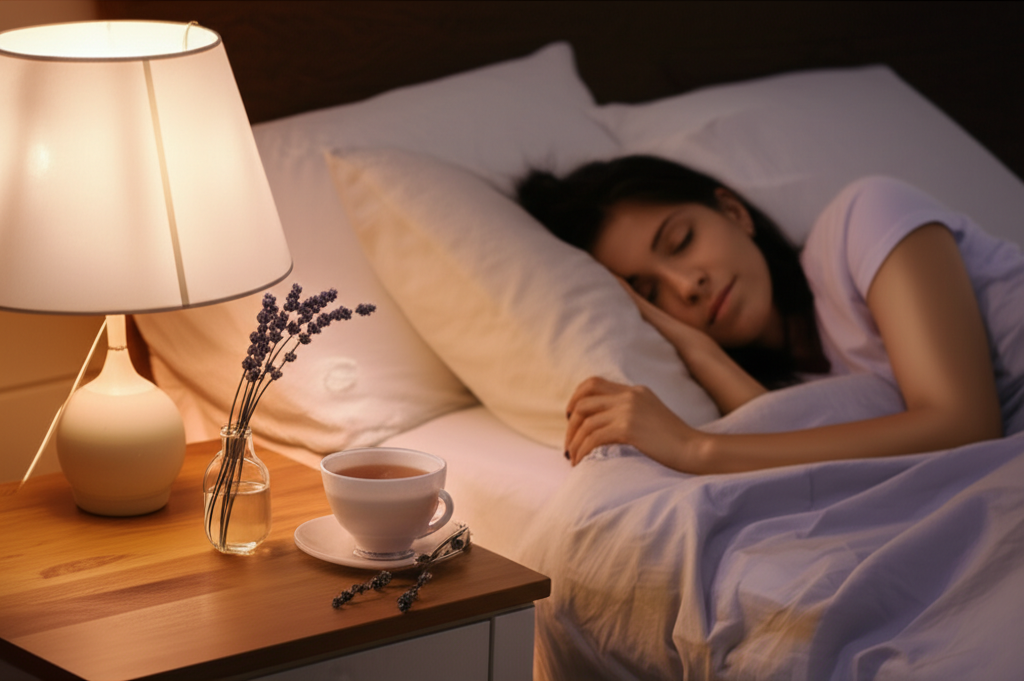
It's 11:47 p.m., and you're lying in bed, staring at the ceiling. Your mind is racing through tomorrow's to-do list, replaying that awkward conversation from earlier, or simply refusing to quiet down. You've been tossing and turning for what feels like hours, and the more you try to force sleep, the more elusive it becomes. If this scenario sounds painfully familiar, you're not alone. According to the American Sleep Association, about 30% of adults experience occasional insomnia, and many more struggle with falling asleep quickly. The good news? You don't need to rely on sleeping pills or expensive gadgets to find relief. Nature has provided us with countless ways to ease into slumber, and I'm here to share the most effective ones with you. From ancient breathing techniques to simple environmental adjustments, this guide will equip you with a toolkit of natural methods to help you fall asleep faster and wake up more refreshed. Let's dive in.
Understanding Why We Struggle to Fall Asleep
Before we explore solutions, it's helpful to understand what keeps us awake in the first place. Sleep onset—the transition from wakefulness to sleep—is a complex process involving multiple systems in your body. Your brain needs to shift from its active, alert state to a calm, receptive one. This transition can be disrupted by various factors, including stress, anxiety, physical discomfort, environmental disturbances, and even the anticipation of not being able to sleep.
The National Sleep Foundation explains that falling asleep typically takes 10-20 minutes for most people. If it's taking you longer than 30 minutes regularly, you might be dealing with sleep onset insomnia. This condition can be triggered by lifestyle factors like caffeine consumption, irregular sleep schedules, or excessive screen time before bed. It can also be influenced by psychological factors such as worry, excitement, or racing thoughts.
I remember going through a particularly stressful period at work where my mind would start spinning the moment my head hit the pillow. I'd lie there for hours, growing increasingly frustrated, which only made sleep more elusive. It wasn't until I learned about the natural techniques we'll discuss that I was able to break this cycle and reclaim my nights.
The Power of Breathing: Techniques That Work
One of the most effective and immediate ways to fall asleep faster is through controlled breathing. These techniques work by activating your parasympathetic nervous system—the "rest and digest" response that counteracts stress and promotes relaxation.
The 4-7-8 Breathing Technique
Developed by Dr. Andrew Weil, this technique is often called a "natural tranquilizer" for the nervous system. Here's how to do it:
- Exhale completely through your mouth
- Close your mouth and inhale through your nose for 4 counts
- Hold your breath for 7 counts
- Exhale through your mouth for 8 counts
- Repeat this cycle 3-4 times
The extended exhale helps slow your heart rate and signals to your body that it's time to relax. I was skeptical when I first tried this technique, but I was amazed at how quickly it calmed my racing mind. Research published in the Journal of Clinical Sleep Medicine supports the effectiveness of controlled breathing exercises for improving sleep onset.
Box Breathing (4-4-4-4)
This technique, also used by Navy SEALs to manage stress, involves equal counts for each phase of breathing:
- Inhale for 4 counts
- Hold for 4 counts
- Exhale for 4 counts
- Hold empty for 4 counts
- Repeat 4-8 times
Box breathing is particularly effective if you're feeling anxious or your thoughts are scattered. The rhythmic pattern gives your mind something to focus on while naturally slowing your breathing rate.
Belly Breathing
Also known as diaphragmatic breathing, this technique helps you breathe more deeply and efficiently:
- Place one hand on your chest, one on your belly
- Breathe in slowly through your nose, ensuring your belly rises more than your chest
- Exhale slowly through your mouth
- Continue for 5-10 minutes
This type of breathing naturally activates the relaxation response and can be particularly helpful if you tend to breathe shallowly when stressed.
Progressive Muscle Relaxation: Releasing Physical Tension
Physical tension often keeps us awake, even when we're not consciously aware of it. Progressive muscle relaxation (PMR) is a technique that involves systematically tensing and then releasing different muscle groups throughout your body. This practice not only helps you become aware of where you're holding tension but also teaches your body what true relaxation feels like.
Here's a basic PMR routine for bedtime:
- Start with your toes: tense them for 5 seconds, then release and notice the relaxation
- Move to your calves: tense, hold, and release
- Continue with your thighs, buttocks, abdomen, hands, arms, shoulders, neck, and face
- Spend 10-15 seconds focusing on the relaxed feeling in each muscle group
- End by taking three deep breaths and enjoying the overall sense of relaxation
A study in the Journal of Behavior Therapy and Experimental Psychiatry found that PMR significantly reduced the time it took participants to fall asleep. I've found this technique particularly helpful on nights when I've been sitting at a desk all day or after intense workouts when my muscles feel tight.
The Mind-Body Connection: Mental Techniques for Sleep
Sometimes the biggest barrier to sleep is an overactive mind. These mental techniques can help quiet racing thoughts and create the mental conditions conducive to sleep.
Visualization and Guided Imagery
Creating peaceful mental images can distract your mind from worries and stress while promoting relaxation. Try these approaches:
- The Beach Scene: Imagine yourself lying on a warm, sandy beach. Feel the sun on your skin, hear the gentle waves, and smell the salt air. Engage all your senses in this peaceful scene.
- The Forest Walk: Picture yourself walking slowly through a quiet forest. Notice the dappled sunlight, the soft earth beneath your feet, and the gentle rustling of leaves.
- The Cozy Cabin: Visualize yourself in a warm, comfortable cabin with a crackling fireplace. Feel the soft blankets, hear the gentle crackling of the fire, and enjoy the sense of safety and warmth.
The key is to choose imagery that feels personally peaceful and engaging enough to occupy your mind without being too exciting or stimulating.
The Counting Method
While counting sheep is a classic, there are more effective variations:
- Countdown from 100: Count backward from 100, visualizing each number. If your mind wanders, gently return to counting.
- Counting breaths: Count each exhale from 1 to 10, then start over. This combines the benefits of focused breathing with mental distraction.
- Category counting: Think of a category (like animals, foods, or countries) and go through the alphabet naming one item for each letter.
The "Worry Time" Technique
If racing thoughts keep you awake, try setting aside 10-15 minutes earlier in the evening as designated "worry time." Write down your concerns and potential solutions, then remind yourself that you've already addressed these issues for the day. This technique, recommended by sleep specialists, helps contain anxious thoughts to a specific time rather than letting them invade your sleep.
Environmental Optimization: Creating Your Sleep Sanctuary
Your sleep environment plays a crucial role in how quickly you fall asleep. Small adjustments can make a significant difference in your ability to drift off naturally.
Temperature Control
Your body temperature naturally drops as you prepare for sleep, and you can support this process by keeping your bedroom cool. The National Sleep Foundation recommends a temperature between 60-67°F (15-19°C). If you can't control the room temperature, try:
- Using breathable, moisture-wicking sleepwear
- Placing a fan near your bed
- Using a cooling mattress pad or pillow
- Taking a warm bath before bed (the subsequent cooling effect promotes sleepiness)
Light Management
Light exposure significantly affects your circadian rhythm and melatonin production. To optimize your light environment:
- Use blackout curtains or an eye mask to block external light
- Avoid screens for at least an hour before bed, or use blue light filters
- Consider using dim, warm lighting in the evening
- If you need to use the bathroom at night, use a small red light instead of bright overhead lights
Sound Environment
While some people need complete silence, others find that consistent, gentle sounds help mask disruptive noises and promote relaxation:
- White noise: Consistent sound that masks other noises
- Nature sounds: Rain, ocean waves, or forest sounds
- Pink noise: Deeper than white noise, includes sounds like gentle rain or wind
- Brown noise: Even deeper, like the sound of a waterfall or heavy rain
Experiment with different types of sounds to find what works best for you. I discovered that the sound of gentle rain helps me fall asleep much faster than complete silence.
Natural Sleep Aids: Herbs and Aromatherapy
Nature provides several gentle, non-habit-forming options to support sleep. While these shouldn't replace good sleep hygiene, they can be helpful additions to your bedtime routine.
Herbal Teas
Certain herbs have been used for centuries to promote relaxation and sleep:
- Chamomile: Contains apigenin, an antioxidant that binds to brain receptors to promote sleepiness. Studies show chamomile tea can improve sleep quality.
- Valerian root: Has been used as a sleep aid for over 2,000 years. Research suggests it may help you fall asleep faster and improve sleep quality.
- Passionflower: May increase levels of GABA, a brain chemical that promotes relaxation.
- Lemon balm: Part of the mint family, it has mild sedative effects and can help reduce anxiety.
Drink these teas 30-60 minutes before bedtime, and be sure to use the bathroom before settling in for the night.
Aromatherapy
Certain scents can trigger relaxation responses and promote sleep:
- Lavender: The most studied sleep-promoting scent. Research shows it can increase slow-wave sleep and help you feel more refreshed in the morning.
- Bergamot: Has both calming and uplifting properties, helping to reduce anxiety while promoting relaxation.
- Sandalwood: Has sedative properties and can help quiet mental chatter.
- Ylang-ylang: Can help lower blood pressure and heart rate, promoting physical relaxation.
You can use these scents through essential oil diffusers, pillow sprays, or by adding a few drops to a warm bath before bed.
Comparison Table: Natural Sleep Methods
| Method | Time to Effect | Ease of Use | Best For | Scientific Support |
|---|---|---|---|---|
| 4-7-8 Breathing | Immediate | Very Easy | Racing thoughts, anxiety | Strong |
| Progressive Muscle Relaxation | 10-15 minutes | Easy | Physical tension, stress | Strong |
| Visualization | 5-10 minutes | Moderate | Overactive mind, worry | Moderate |
| Cool Environment | Immediate | Easy | Hot sleepers, general comfort | Strong |
| Herbal Tea | 30-60 minutes | Very Easy | Mild sleep issues, relaxation | Moderate to Strong |
| Aromatherapy | 15-30 minutes | Easy | Stress, creating sleep associations | Moderate |
| White Noise | Immediate | Very Easy | Light sleepers, noisy environments | Strong |
This comparison can help you choose which methods might work best for your specific situation and preferences.
Creating Your Personal Sleep Routine
The most effective approach often involves combining several of these natural methods into a personalized bedtime routine. Here's how to create your own:
Start 1-2 Hours Before Bed
- Dim the lights throughout your home
- Avoid screens or use blue light filters
- Prepare your herbal tea
- Set your bedroom to the optimal temperature
30-60 Minutes Before Bed
- Take a warm bath or shower
- Practice gentle stretching or yoga
- Read a calming book
- Write in a journal or practice gratitude
In Bed
- Practice your chosen breathing technique
- Try progressive muscle relaxation
- Use visualization or counting methods
- Focus on the present moment rather than tomorrow's worries
Remember, it may take some experimentation to find the combination that works best for you. Be patient with yourself and consistent with your practice.
When to Seek Additional Help
While these natural methods are effective for many people, persistent sleep problems may require professional attention. Consider consulting a healthcare provider or sleep specialist if:
- You regularly take more than 30 minutes to fall asleep despite trying these techniques
- Sleep problems persist for more than a few weeks
- You experience other symptoms like loud snoring, gasping during sleep, or excessive daytime fatigue
- Sleep issues are significantly impacting your daily life, work, or relationships
Sometimes underlying conditions like sleep apnea, restless leg syndrome, or anxiety disorders need to be addressed for sleep to improve.
FAQ: Common Questions About Natural Sleep Methods
Q: How long does it take for these natural methods to work?
A: Some techniques like breathing exercises can have immediate effects, while others like herbal teas may take 30-60 minutes. Building a consistent routine typically shows results within 1-2 weeks of regular practice.
Q: Can I combine multiple techniques?
A: Many people find that combining techniques (like aromatherapy with breathing exercises) is more effective than using just one method.
Q: Are there any side effects to these natural methods?
A: These techniques are generally very safe. However, some people may be allergic to certain herbs or essential oils, so start with small amounts to test your reaction.
Q: What if my mind keeps wandering during relaxation techniques?
A: This is completely normal! Gently redirect your attention back to the technique without judging yourself. Like any skill, it gets easier with practice.
Q: Should I get up if I can't fall asleep after trying these methods?
A: If you've been lying awake for more than 20-30 minutes, it's often helpful to get up and do a quiet, relaxing activity until you feel sleepy, then return to bed.
Conclusion: Your Path to Natural, Restful Sleep
Falling asleep doesn't have to be a nightly struggle. With the natural methods we've explored—from breathing techniques and progressive muscle relaxation to environmental optimization and gentle herbal aids—you have a comprehensive toolkit to help you drift off more easily and naturally. The key is finding the combination that works best for your unique situation and making these practices a consistent part of your bedtime routine.
Remember, good sleep is not a luxury—it's a necessity for your physical health, mental well-being, and overall quality of life. By choosing natural methods over quick fixes, you're not only addressing your immediate sleep concerns but also building sustainable habits that will serve you for years to come.
Start tonight by choosing one or two techniques that resonate with you. Maybe it's the 4-7-8 breathing technique or creating a cooler, darker sleep environment. Give yourself time to practice and adjust, and be patient as your body learns these new patterns. Most importantly, approach your sleep journey with curiosity and self-compassion rather than frustration or pressure.
Sweet dreams, and here's to many nights of natural, restorative sleep ahead. Your well-rested self is waiting, and these gentle, time-tested methods will help you get there.