How to Improve Sleep Quality Naturally: A Complete Guide to Better Rest
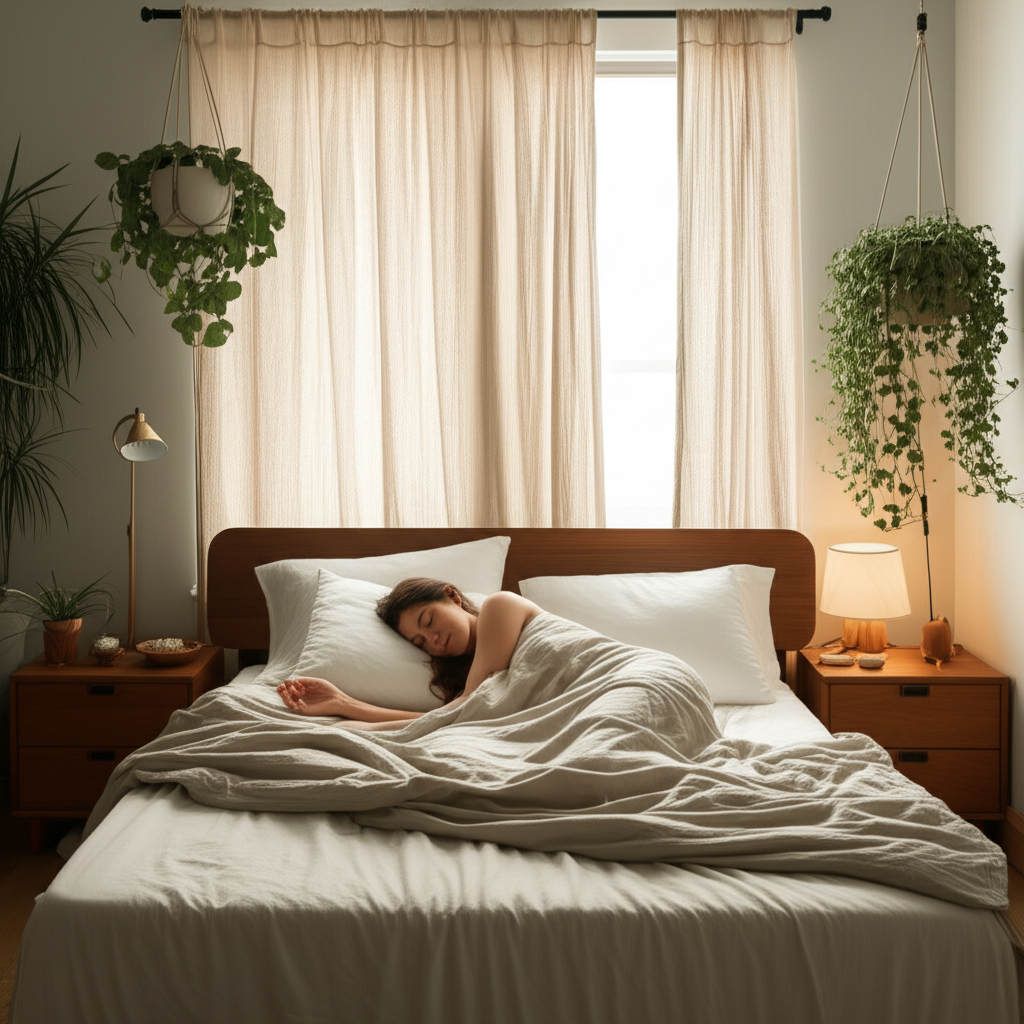
There's nothing quite like waking up after a truly restorative night's sleep—feeling refreshed, energized, and ready to take on the world. Yet for millions of people, this experience feels frustratingly elusive. Instead of bouncing out of bed, they drag themselves through groggy mornings, rely on multiple cups of coffee to function, and wonder why they feel tired despite spending eight hours in bed. I used to be one of those people, tossing and turning through restless nights, waking up feeling like I'd barely slept at all. It wasn't until I discovered that sleep quality matters far more than sleep quantity that everything changed. Through natural methods—no pills, no expensive gadgets, just simple changes to my habits and environment—I transformed my sleep from a nightly struggle into a source of genuine restoration. In this comprehensive guide, we'll explore proven, natural strategies to improve your sleep quality, helping you achieve the deep, restorative rest your body and mind crave. Whether you're dealing with occasional sleep issues or chronic insomnia, these evidence-based approaches can help you reclaim your nights and transform your days.
Understanding Sleep Quality vs. Sleep Quantity
Before diving into improvement strategies, it's crucial to understand what sleep quality actually means. Many people focus solely on getting eight hours of sleep, but the quality of those hours matters far more than the quantity. Sleep quality encompasses several factors that determine how restorative your sleep actually is.
According to the National Sleep Foundation, high-quality sleep is characterized by:
- Falling asleep within 30 minutes: Taking longer suggests difficulty with sleep onset
- Sleeping through the night: Waking up no more than once per night
- Staying asleep: Being awake for 20 minutes or less after initially falling asleep
- Feeling refreshed: Waking up feeling restored and energized
- Daytime alertness: Maintaining energy and focus throughout the day without excessive caffeine
Poor sleep quality, on the other hand, is marked by frequent awakenings, difficulty falling asleep, restless or fragmented sleep, and waking up feeling unrefreshed regardless of time spent in bed. Research from Harvard Medical School shows that people with poor sleep quality are more likely to experience mood disorders, cognitive impairment, and physical health problems, even if they get adequate sleep duration.
The key insight is that six hours of high-quality, uninterrupted sleep can be more restorative than eight hours of fragmented, poor-quality sleep. This understanding shifts the focus from simply logging hours in bed to optimizing the conditions and habits that promote deep, restorative sleep.
The Science of Natural Sleep Enhancement
Natural sleep improvement works by supporting and optimizing your body's existing sleep mechanisms rather than overriding them with external substances. Your body has sophisticated systems designed to promote sleep, and natural approaches work by removing barriers and enhancing these natural processes.
Your Circadian Rhythm: The Master Clock
At the heart of natural sleep improvement is your circadian rhythm—your body's internal 24-hour clock that regulates sleep-wake cycles, hormone production, and countless other physiological processes. This rhythm is controlled by the suprachiasmatic nucleus in your brain, which responds primarily to light and darkness cues.
When your circadian rhythm is well-aligned, your body naturally produces melatonin in the evening, your core body temperature drops to promote sleepiness, and stress hormones like cortisol decrease. Disruptions to this rhythm—from irregular sleep schedules, excessive evening light exposure, or poor sleep habits—can significantly impact sleep quality.
The Role of Sleep Pressure
Another key component is sleep pressure, which builds throughout the day as a chemical called adenosine accumulates in your brain. The longer you're awake, the more adenosine builds up, creating increasing pressure to sleep. During sleep, particularly deep sleep, adenosine is cleared away, which is why you wake up feeling refreshed.
Natural sleep improvement strategies work by optimizing both circadian rhythm alignment and healthy sleep pressure buildup, creating the ideal conditions for high-quality rest.
Creating the Perfect Sleep Environment
Your sleep environment plays a crucial role in sleep quality, and optimizing it is one of the most effective natural interventions you can make. Think of your bedroom as a sleep sanctuary designed specifically to promote rest and recovery.
Temperature: The Cool Factor
Temperature regulation is fundamental to quality sleep. Your body's core temperature naturally drops by 1-2 degrees Fahrenheit as you prepare for sleep, and a cool environment supports this process. The National Sleep Foundation recommends keeping your bedroom between 60-67°F (15-19°C) for optimal sleep.
Here's how to optimize your sleep temperature:
- Bedroom temperature: Use a programmable thermostat to cool your bedroom 1-2 hours before bedtime
- Bedding choices: Choose breathable, moisture-wicking materials like cotton or bamboo
- Sleepwear: Opt for lightweight, loose-fitting pajamas or sleep naked if comfortable
- Cooling accessories: Consider a cooling mattress pad, pillow, or fan for hot sleepers
- Pre-sleep cooling: Take a warm bath or shower before bed—the subsequent cooling effect promotes sleepiness
I discovered the power of temperature control when I moved to a warmer climate and struggled with sleep for months. Simply lowering the thermostat by three degrees and switching to lighter bedding transformed my sleep quality almost immediately.
Darkness: Blocking the Light
Light exposure is one of the most powerful regulators of your circadian rhythm. Even small amounts of light can suppress melatonin production and fragment sleep. Creating a truly dark sleep environment is essential for quality rest.
Strategies for optimal darkness:
- Blackout curtains: Invest in high-quality blackout curtains or shades that block all external light
- Eye masks: A comfortable, well-fitting eye mask can be especially helpful for travel or shared sleeping spaces
- Electronic devices: Remove or cover LED lights from electronics, alarm clocks, and chargers
- Hallway light: Use blackout curtains or door draft stoppers to block light from other rooms
- Night lighting: If you need lighting for nighttime bathroom trips, use dim red lights that don't disrupt melatonin production
Sound: The Quiet Revolution
Noise can significantly impact sleep quality, even if it doesn't fully wake you up. Sudden sounds can cause brief arousals that fragment sleep and reduce its restorative quality. The goal is to create a consistently quiet environment or mask disruptive noises with steady, soothing sounds.
Sound optimization strategies:
- White noise: Consistent background noise can mask sudden sounds that might disrupt sleep
- Earplugs: High-quality, comfortable earplugs can reduce noise by 20-30 decibels
- Sound machines: Devices that produce consistent nature sounds, white noise, or pink noise
- Soft furnishings: Carpets, curtains, and upholstered furniture help absorb sound
- Address noise sources: Fix squeaky doors, use door seals, or discuss noise issues with neighbors
Air Quality and Ventilation
Often overlooked, air quality significantly impacts sleep quality. Poor ventilation can lead to increased CO2 levels, stuffiness, and disrupted sleep. Fresh, clean air promotes deeper, more restorative sleep.
Air quality improvements:
- Ventilation: Open windows when weather permits, or use a fan to circulate air
- Air purifiers: HEPA filters can remove allergens, dust, and pollutants
- Humidity control: Maintain humidity between 30-50% for optimal comfort
- Plants: Certain plants like snake plants or peace lilies can improve air quality naturally
- Regular cleaning: Vacuum regularly and wash bedding weekly to reduce allergens
Developing Sleep-Promoting Daily Habits
Quality sleep begins long before you get into bed. Your daily habits, from morning light exposure to evening routines, significantly impact your sleep quality. Building sleep-promoting habits throughout the day creates the foundation for restorative rest.
Morning Light Exposure: Setting Your Clock
Morning light exposure is one of the most powerful tools for improving sleep quality. Bright light in the morning helps set your circadian rhythm, suppresses daytime melatonin production, and promotes alertness when you need it most.
Morning light strategies:
- Natural sunlight: Spend 15-30 minutes outside within an hour of waking, even on cloudy days
- Light therapy: Use a 10,000-lux light therapy box for 20-30 minutes if natural light isn't available
- Window time: If you can't get outside, sit near a bright window while having breakfast or coffee
- Exercise outdoors: Combine morning light exposure with physical activity for maximum benefit
- Consistency: Maintain regular light exposure times, even on weekends
Strategic Caffeine Use
Caffeine can be a useful tool for alertness, but poor timing can significantly impact sleep quality. Caffeine has a half-life of 5-6 hours, meaning that afternoon coffee can still be affecting your sleep at bedtime.
Caffeine optimization guidelines:
- Timing cutoff: Avoid caffeine after 2 p.m., or 6-8 hours before your intended bedtime
- Morning focus: Consume caffeine in the morning when it can enhance alertness without affecting sleep
- Gradual reduction: If you're a heavy caffeine user, reduce intake gradually to avoid withdrawal
- Hidden sources: Be aware of caffeine in chocolate, tea, some medications, and energy drinks
- Individual sensitivity: Some people are more sensitive to caffeine and may need earlier cutoff times
Physical Activity and Exercise
Regular physical activity is one of the most effective natural sleep aids. Exercise helps regulate circadian rhythms, reduces stress hormones, and increases sleep pressure. However, timing and intensity matter for optimal sleep benefits.
Exercise for better sleep:
- Regular routine: Aim for at least 150 minutes of moderate exercise per week
- Morning or afternoon: Exercise earlier in the day for the best sleep benefits
- Avoid late evening: Intense exercise within 3-4 hours of bedtime can be stimulating
- Gentle evening options: Light stretching, yoga, or walking can be beneficial in the evening
- Consistency: Regular exercise is more beneficial than occasional intense sessions
I found that switching my workout from evening to morning not only improved my sleep but also gave me more energy throughout the day. The key was finding a routine I could stick with consistently.
Nutrition and Sleep: What You Eat Affects How You Sleep
The relationship between nutrition and sleep is complex and bidirectional—what you eat affects how you sleep, and how you sleep affects your food choices and metabolism. Understanding this connection allows you to use nutrition as a natural tool for better sleep quality.
Timing Your Meals
When you eat can be just as important as what you eat for sleep quality. Your digestive system has its own circadian rhythm, and eating at the wrong times can disrupt both digestion and sleep.
Meal timing guidelines:
- Dinner timing: Finish your last large meal 3-4 hours before bedtime
- Light evening snacks: If hungry before bed, choose small, easily digestible snacks
- Regular meal times: Eat meals at consistent times to support circadian rhythm regulation
- Avoid late-night eating: Late meals can cause indigestion and disrupt sleep architecture
- Morning breakfast: Eating breakfast helps set your circadian clock for the day
Sleep-Promoting Foods
Certain foods contain compounds that can naturally promote better sleep quality. While no single food is a magic bullet, incorporating these options into your diet can support your body's natural sleep processes.
Foods that support sleep:
- Tart cherries: Natural source of melatonin; studies show tart cherry juice can improve sleep quality
- Almonds and walnuts: Contain magnesium and healthy fats that support sleep
- Fatty fish: Salmon, mackerel, and sardines provide omega-3 fatty acids and vitamin D
- Kiwi fruit: Rich in serotonin and antioxidants; studies show it can improve sleep onset and quality
- Whole grains: Complex carbohydrates can help increase serotonin production
- Herbal teas: Chamomile, passionflower, and valerian root have mild sedative effects
Foods and Substances to Avoid
Just as some foods can promote sleep, others can significantly disrupt it. Being mindful of these sleep disruptors, especially in the hours before bedtime, can dramatically improve sleep quality.
Sleep disruptors to avoid:
- Alcohol: While it may help you fall asleep, alcohol significantly disrupts sleep architecture and REM sleep
- Spicy foods: Can cause indigestion and raise body temperature, both disruptive to sleep
- High-fat meals: Take more energy to digest and can cause discomfort when lying down
- Excessive fluids: Can lead to frequent nighttime bathroom trips
- Sugar and refined carbs: Can cause blood sugar spikes and crashes that disrupt sleep
- Large meals: Require significant digestive energy and can cause discomfort
Stress Management and Relaxation Techniques
Stress and anxiety are among the most common causes of poor sleep quality. Racing thoughts, physical tension, and elevated stress hormones can make it difficult to fall asleep and stay asleep. Natural stress management techniques can significantly improve sleep quality by addressing these underlying issues.
Progressive Muscle Relaxation
This technique involves systematically tensing and then relaxing different muscle groups throughout your body. It helps you become aware of physical tension and teaches your body what true relaxation feels like.
How to practice progressive muscle relaxation:
- Start with your toes: tense them for 5 seconds, then release and notice the relaxation
- Move systematically through your body: calves, thighs, buttocks, abdomen, hands, arms, shoulders, neck, and face
- Hold each tension for 5 seconds, then release for 10-15 seconds
- Focus on the contrast between tension and relaxation
- End with three deep breaths and enjoy the overall sense of relaxation
Breathing Techniques for Sleep
Controlled breathing exercises can activate your parasympathetic nervous system, promoting the relaxation response that prepares your body for sleep.
4-7-8 Breathing Technique:
- Exhale completely through your mouth
- Close your mouth and inhale through your nose for 4 counts
- Hold your breath for 7 counts
- Exhale through your mouth for 8 counts
- Repeat 3-4 times
Box Breathing:
- Inhale for 4 counts
- Hold for 4 counts
- Exhale for 4 counts
- Hold empty for 4 counts
- Repeat 4-8 times
Mindfulness and Meditation
Regular mindfulness practice can significantly improve sleep quality by reducing stress, anxiety, and racing thoughts. Even brief meditation sessions can have measurable effects on sleep.
Simple mindfulness practices for sleep:
- Body scan meditation: Systematically focus attention on different parts of your body
- Breath awareness: Simply observe your natural breathing without trying to change it
- Loving-kindness meditation: Send positive thoughts to yourself and others
- Guided meditations: Use apps or recordings specifically designed for sleep
- Mindful journaling: Write down thoughts and worries to clear your mind
Creating an Effective Bedtime Routine
A consistent bedtime routine signals to your body that it's time to wind down and prepare for sleep. This routine should begin 1-2 hours before your intended bedtime and include activities that promote relaxation and sleepiness.
The Power of Consistency
The key to an effective bedtime routine is consistency. Your body thrives on predictable patterns, and a regular routine helps establish strong sleep cues that make falling asleep easier and more natural.
Elements of an effective bedtime routine:
- Set a consistent start time: Begin your routine at the same time each night
- Dim the lights: Gradually reduce lighting throughout your home
- Avoid screens: Stop using phones, tablets, computers, and TV 1-2 hours before bed
- Engage in calming activities: Reading, gentle stretching, journaling, or listening to soft music
- Personal hygiene: Brush teeth, wash face, and complete other bedtime preparations
- Relaxation practice: Include breathing exercises, meditation, or progressive muscle relaxation
Sample Bedtime Routines
Here are examples of effective bedtime routines for different lifestyles:
For Busy Professionals (30-minute routine):
- 9:30 p.m.: Put away all devices, dim lights
- 9:35 p.m.: Quick shower or wash face, brush teeth
- 9:45 p.m.: Read a few pages of a book or practice gratitude journaling
- 9:55 p.m.: 5 minutes of deep breathing or meditation
- 10:00 p.m.: Lights out
For Families (45-minute routine):
- 8:15 p.m.: Begin winding down, dim lights throughout the house
- 8:30 p.m.: Family hygiene time, prepare for bed
- 8:45 p.m.: Quiet family time—reading together or gentle conversation
- 9:00 p.m.: Individual relaxation time—reading, journaling, or meditation
- 9:00 p.m.: Lights out
Troubleshooting Common Routine Challenges
Building a consistent bedtime routine can face several obstacles. Here's how to address common challenges:
- Varying schedules: Maintain core elements of your routine even when timing varies
- Partner differences: Find compromises that work for both partners, such as using individual reading lights
- Travel: Develop a portable version of your routine that you can maintain away from home
- Motivation: Start with just 2-3 routine elements and gradually add more
- Time constraints: Even a 15-minute routine is better than none—focus on the most impactful elements
Natural Sleep Aids and Remedies
While lifestyle changes form the foundation of natural sleep improvement, certain natural remedies can provide additional support. These should complement, not replace, good sleep hygiene practices.
Herbal Remedies
Several herbs have been used traditionally for sleep support and have scientific evidence backing their effectiveness:
Chamomile:
- Contains apigenin, which binds to brain receptors to promote sleepiness
- Available as tea, capsules, or essential oil
- Generally safe with mild sedative effects
- Best consumed 30-60 minutes before bedtime
Valerian Root:
- Used for over 2,000 years as a sleep aid
- May help reduce the time it takes to fall asleep
- Available as tea, capsules, or tincture
- Can have a strong, unpleasant smell
Passionflower:
- May increase GABA levels in the brain, promoting relaxation
- Traditionally used for anxiety and insomnia
- Available as tea or supplements
- Generally well-tolerated with few side effects
Lemon Balm:
- Member of the mint family with mild sedative effects
- Can help reduce anxiety and promote relaxation
- Often combined with other calming herbs
- Available as tea, capsules, or essential oil
Aromatherapy for Sleep
Certain scents can trigger relaxation responses and promote better sleep quality. Aromatherapy works through the olfactory system's direct connection to the limbic brain, which controls emotions and memory.
Sleep-promoting essential oils:
- Lavender: The most studied sleep-promoting scent; can improve sleep quality and reduce anxiety
- Bergamot: Has both calming and mood-lifting properties
- Sandalwood: Promotes relaxation and can help quiet mental chatter
- Ylang-ylang: Can help lower blood pressure and heart rate
- Roman chamomile: Gentle and calming, especially good for children
Ways to use aromatherapy:
- Diffusers: Add a few drops to a diffuser 30 minutes before bedtime
- Pillow sprays: Light mist on pillows and bedding
- Bath oils: Add to a warm bath before bedtime
- Topical application: Dilute with carrier oil and apply to wrists or temples
- Sachets: Place dried herbs in small bags under your pillow
Magnesium: The Relaxation Mineral
Magnesium plays a crucial role in over 300 enzymatic reactions in the body, including those involved in sleep regulation. Many people are deficient in magnesium, and supplementation can improve sleep quality.
Benefits of magnesium for sleep:
- Helps regulate melatonin production
- Supports GABA function, promoting relaxation
- Reduces cortisol levels
- Helps relax muscles and reduce tension
Forms of magnesium for sleep:
- Magnesium glycinate: Well-absorbed and less likely to cause digestive issues
- Magnesium citrate: Good absorption but may have laxative effects
- Magnesium oxide: Less expensive but poorly absorbed
- Topical magnesium: Oils or lotions applied to skin
Addressing Common Sleep Quality Issues
Different sleep quality issues require targeted approaches. Understanding the specific nature of your sleep problems allows you to choose the most effective natural interventions.
Difficulty Falling Asleep (Sleep Onset Insomnia)
If you regularly take more than 30 minutes to fall asleep, focus on these strategies:
- Earlier wind-down: Start your bedtime routine 2 hours before sleep
- Cognitive techniques: Use visualization, counting, or meditation to quiet racing thoughts
- Physical relaxation: Progressive muscle relaxation or gentle stretching
- Environmental optimization: Ensure your bedroom is cool, dark, and quiet
- Avoid clock-watching: Turn clocks away from view to reduce anxiety about time
Frequent Night Wakings (Sleep Maintenance Insomnia)
For those who fall asleep easily but wake up frequently during the night:
- Address physical discomfort: Ensure comfortable mattress, pillows, and temperature
- Limit fluid intake: Reduce liquids 2-3 hours before bedtime
- Stress management: Practice relaxation techniques to reduce anxiety-driven awakenings
- Sleep environment: Minimize noise and light disruptions
- Avoid stimulating activities: If you wake up, avoid checking phones or engaging in stimulating thoughts
Early Morning Awakening
Waking up too early and being unable to return to sleep:
- Light management: Use blackout curtains to block early morning light
- Consistent bedtime: Ensure you're not going to bed too early
- Evening routine: Develop a longer, more relaxing bedtime routine
- Stress reduction: Address anxiety or depression that might cause early awakening
- Avoid stimulants: Eliminate afternoon caffeine and evening alcohol
Restless or Light Sleep
For those who sleep through the night but don't feel rested:
- Deep sleep promotion: Ensure adequate physical activity during the day
- Temperature optimization: Keep bedroom cooler to promote deeper sleep stages
- Stress management: High stress can prevent deep sleep stages
- Nutrition support: Ensure adequate magnesium and avoid late-night eating
- Sleep duration: You may need more total sleep time to get adequate deep sleep
Tracking and Measuring Sleep Quality Improvement
To optimize your natural sleep improvement efforts, it's important to track your progress and identify what works best for your individual situation.
Subjective Sleep Quality Measures
Keep a simple sleep diary tracking:
- Bedtime and wake time: Track consistency and total time in bed
- Sleep onset time: How long it takes to fall asleep
- Night wakings: Frequency and duration of awakenings
- Morning energy: Rate how refreshed you feel (1-10 scale)
- Daytime alertness: Energy levels and need for caffeine
- Mood and cognitive function: Notice improvements in mood, focus, and memory
Objective Sleep Tracking
While not necessary, sleep tracking devices can provide additional insights:
- Wearable devices: Fitness trackers that monitor heart rate and movement
- Smartphone apps: Use phone sensors to track sleep patterns
- Smart mattresses: Advanced systems that monitor multiple sleep metrics
- Environmental monitors: Track bedroom temperature, humidity, and noise levels
Remember that these devices provide estimates, not precise measurements, and subjective sleep quality is often more important than objective metrics.
Identifying Patterns and Triggers
Look for patterns in your sleep data:
- Lifestyle factors: How exercise, diet, stress, and activities affect your sleep
- Environmental factors: Impact of temperature, noise, and light on sleep quality
- Timing factors: How bedtime, meal timing, and routine consistency affect sleep
- Seasonal patterns: Changes in sleep quality with seasons or weather
- Weekly patterns: Differences between weekday and weekend sleep
When to Seek Professional Help
While natural approaches can significantly improve sleep quality for most people, some situations warrant professional evaluation:
- Persistent insomnia: Sleep problems lasting more than 3-4 weeks despite consistent natural interventions
- Sleep-disordered breathing: Loud snoring, gasping, or breathing interruptions during sleep
- Excessive daytime sleepiness: Falling asleep during daily activities despite adequate sleep time
- Unusual sleep behaviors: Sleepwalking, sleep talking, or acting out dreams
- Impact on daily life: Sleep problems significantly affecting work, relationships, or health
- Mental health concerns: Sleep issues accompanied by depression, anxiety, or other mental health symptoms
A sleep specialist can help identify underlying sleep disorders and provide targeted treatments that complement natural approaches.
Conclusion: Your Journey to Natural, Restorative Sleep
Improving sleep quality naturally is a journey, not a destination. It requires patience, consistency, and a willingness to experiment with different approaches to find what works best for your unique situation. The strategies outlined in this guide—from optimizing your sleep environment and developing healthy daily habits to managing stress and using natural remedies—provide a comprehensive toolkit for achieving the restorative sleep your body and mind need.
Remember that small changes can lead to significant improvements. You don't need to implement every strategy at once. Start with the approaches that resonate most with you or address your most pressing sleep challenges. Maybe it's creating a cooler, darker bedroom, establishing a consistent bedtime routine, or incorporating stress-reduction techniques into your evening.
The beauty of natural sleep improvement is that it works with your body's existing systems rather than overriding them. By supporting your natural sleep mechanisms through lifestyle changes, environmental optimization, and healthy habits, you're not just improving your sleep—you're enhancing your overall health, cognitive function, and quality of life.
Be patient with yourself as you implement these changes. It typically takes 2-4 weeks to see the full benefits of new sleep habits, and some approaches may work better for you than others. Keep track of what helps, stay consistent with the strategies that work, and don't hesitate to seek professional help if needed.
Your journey to better sleep quality starts tonight. Choose one or two strategies from this guide, commit to trying them consistently for at least a week, and pay attention to how you feel. Your future self—the one who wakes up refreshed, energized, and ready to embrace each day—will thank you for making this investment in natural, restorative sleep.
Sweet dreams, and here's to the transformative power of truly restorative rest.