The Ultimate Guide to a Bedtime Routine for Adults: Mastering Sleep Hygiene
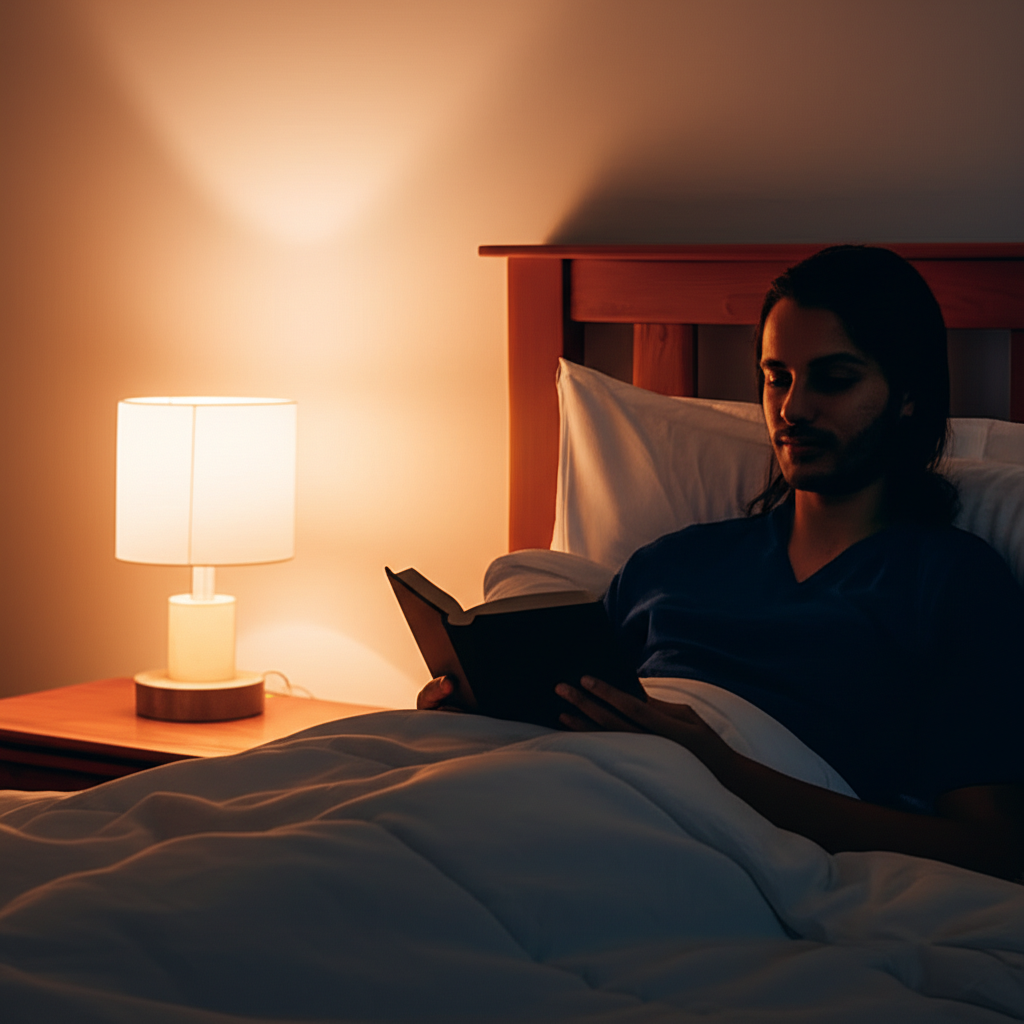
Sleep is the unsung hero of our daily lives. It's the reset button for our bodies and minds, yet so many of us struggle to get enough of it. I used to be one of those people—burning the midnight oil, scrolling through my phone until my eyes burned, and wondering why I woke up feeling like a zombie. It wasn't until I overhauled my bedtime routine and embraced sleep hygiene that I realized what I'd been missing. In this guide, we're diving deep into crafting the perfect bedtime routine for adults, exploring why sleep hygiene matters, and sharing actionable tips to help you wake up refreshed. Whether you're a night owl, a stressed-out professional, or just curious, this post is your roadmap to better sleep.
Why Sleep Hygiene Matters More Than Ever
Picture this: It's 11 p.m., and you're binge-watching a new series, sipping coffee, and answering work emails. Sound familiar? Our modern lives are wired for distraction, and our sleep is paying the price. According to the Centers for Disease Control and Prevention, over a third of adults in the U.S. don't get the recommended seven to nine hours of sleep per night. Poor sleep doesn't just leave you groggy—it's linked to heart disease, depression, and even a shorter lifespan.
Sleep hygiene, the practices that promote consistent, quality rest, is like a nightly tune-up for your body. It's not about perfection but about creating habits that signal to your brain: "Hey, it's time to wind down." Let's explore how a solid bedtime routine can transform your nights—and your days.
The Science Behind a Great Bedtime Routine
Before we dive into the how, let's talk about why a bedtime routine works. Our bodies run on a circadian rhythm, a 24-hour internal clock that regulates sleep and wakefulness. When you establish a consistent routine, you're essentially syncing your habits with this rhythm. Think of it like training a puppy—repetition and consistency are key.
A 2018 study in the Journal of Sleep Research found that adults with regular bedtime routines fell asleep faster and reported better sleep quality. The secret? Your brain loves predictability. By repeating calming activities each night, you're priming your body for rest. Ready to build your own routine? Let's break it down.
Crafting Your Ideal Bedtime Routine: Step-by-Step
A bedtime routine isn't one-size-fits-all. It's about finding what soothes you and fits your lifestyle. Here's a step-by-step guide to creating a routine that works, with tips to make it stick.
Step 1: Set a Consistent Bedtime
Consistency is the backbone of good sleep hygiene. Pick a bedtime that allows for seven to nine hours of sleep and stick to it, even on weekends. I used to think I could "catch up" on sleep by sleeping in on Saturdays, but that just threw my rhythm off. The National Sleep Foundation recommends going to bed and waking up at the same time daily to stabilize your circadian rhythm. Use a sleep calculator (like the one on Sleep.org) to find your ideal bedtime based on when you need to wake up.
Step 2: Create a Wind-Down Period
About an hour before bed, start signaling to your body that it's time to relax. This is your wind-down period—a sacred time to transition from the hustle of the day to rest. Dim the lights, put away screens, and engage in calming activities. I love journaling during this time; it's like offloading my brain onto paper. Research from Harvard Medical School suggests that low lighting mimics sunset, boosting melatonin production, the hormone that helps you sleep.
Step 3: Choose Relaxing Activities
Your wind-down activities should feel like a treat, not a chore. Here are some ideas to try:
- Reading: A paperback or e-reader with a warm light setting is perfect. Avoid thrillers that keep you up!
- Meditation or Deep Breathing: Apps like Calm offer guided sessions to ease stress.
- Gentle Stretching: A 10-minute yoga flow can release physical tension. Check out Yoga Journal for beginner-friendly poses.
- Sipping Herbal Tea: Chamomile or valerian root tea can promote relaxation, according to WebMD.
Step 4: Optimize Your Sleep Environment
Your bedroom should be a sleep sanctuary. Keep it cool (around 60–67°F, per the Sleep Foundation), dark, and quiet. Invest in blackout curtains, a white noise machine, or a comfortable mattress. I once slept on a lumpy mattress and woke up feeling like I'd run a marathon. Upgrading to a memory foam topper was a game-changer. Also, reserve your bed for sleep and intimacy only—no working or scrolling from under the covers.
Step 5: Limit Stimulants and Screens
Caffeine and alcohol are sleep's worst enemies. Avoid caffeine after 2 p.m., and limit alcohol, as it disrupts REM sleep. Screens are another culprit—the blue light from phones and laptops suppresses melatonin. If you must use devices, enable night mode or wear blue-light-blocking glasses. A study from Mayo Clinic found that reducing screen time before bed improved sleep latency (the time it takes to fall asleep).
Step 6: Stick to Your Routine
Building a routine takes time—about 21 days to form a habit, according to behavioral research. Start small, maybe with just 10 minutes of reading before bed, and gradually add more steps. Track your progress with a journal or app to stay motivated. I found that checking off my routine each night gave me a sense of accomplishment, like winning at sleep.
Comparison Table: Bedtime Routine Dos and Don'ts
Here's a quick reference to keep your routine on track.
| Do | Don't |
|---|---|
| Set a consistent bedtime | Stay up late on weekends |
| Dim lights an hour before bed | Use bright screens late at night |
| Engage in calming activities (e.g., reading, meditation) | Watch stimulating TV shows |
| Keep your bedroom cool and dark | Keep the room warm or cluttered |
| Avoid caffeine after 2 p.m. | Drink coffee or energy drinks in the evening |
| Use a white noise machine for quiet | Work or eat in bed |
Common Pitfalls and How to Avoid Them
Even with the best intentions, it's easy to slip up. Here are some common mistakes and how to sidestep them:
- Inconsistent Timing: Life gets busy, but try to keep your bedtime within a 30-minute window. Use alarms to remind you to start winding down.
- Overthinking Sleep: Worrying about not sleeping can keep you awake. If you're tossing and turning, get up and do something relaxing (like reading) until you feel sleepy.
- Ignoring Stress: Stress is a sleep killer. Incorporate stress-relief techniques like journaling or progressive muscle relaxation into your routine.
- Neglecting Diet: Heavy meals or spicy foods close to bedtime can disrupt sleep. Aim to eat dinner at least two hours before bed.
The Role of Diet and Exercise in Sleep Hygiene
What you eat and how you move play a huge role in how well you sleep. A balanced diet rich in fruits, vegetables, and lean proteins supports overall health, including sleep. Foods like almonds, kiwi, and tart cherries contain melatonin or magnesium, which promote rest. On the flip side, avoid heavy, greasy meals late at night, as they can cause indigestion.
Exercise is another sleep booster—regular physical activity improves sleep quality, but timing matters. Morning or afternoon workouts are ideal; exercising too close to bedtime can leave you wired. A 2020 study in Sleep Medicine Reviews found that moderate aerobic exercise, like brisk walking, enhanced deep sleep when done earlier in the day.
Personalizing Your Routine: Tailoring to Your Needs
Not everyone's bedtime routine looks the same, and that's okay. Here's how to customize yours based on your lifestyle:
- For Night Owls: If you thrive at night, shift your routine later but keep it consistent. Try a 1 a.m. bedtime with a 10 p.m. wind-down.
- For Parents: Kids can make routines tricky. Sync your wind-down with their bedtime or use noise-canceling earbuds for quiet.
- For Shift Workers: Create a "bedtime" routine that aligns with your sleep schedule, even if it's during the day. Blackout curtains are a must.
- For Anxiety Sufferers: Incorporate grounding techniques, like the 4-7-8 breathing method, to calm racing thoughts.
Technology and Sleep: Friend or Foe?
Technology gets a bad rap when it comes to sleep, but it's not all evil. Sleep-tracking apps like Sleep Cycle can provide insights into your patterns, while smart bulbs can mimic sunset with warm tones. The key is balance—use tech to enhance your routine, not dominate it. I once got obsessed with my sleep tracker's data, which ironically stressed me out. Now, I use it sparingly and focus on how I feel, not just the numbers.
FAQ: Your Burning Questions About Bedtime Routines Answered
What's the best time to start a bedtime routine?
Start your wind-down about 60–90 minutes before your target bedtime. This gives your body time to relax and signals your brain to prepare for sleep.
Can I use my phone before bed if I have night mode on?
Night mode reduces blue light, but it's still best to avoid screens entirely 30–60 minutes before bed. The mental stimulation from scrolling can keep you awake.
How long does it take to see results from a new routine?
You may notice improvements within a week, but it takes about 21–30 days for a routine to become a habit. Be patient and consistent.
What if I can't fall asleep after my routine?
If you're awake for more than 20 minutes, get out of bed and do a low-key activity (like reading) until you feel sleepy. Avoid screens or bright lights.
Are naps okay, or do they ruin my routine?
Short naps (20–30 minutes) early in the day can be refreshing without disrupting nighttime sleep. Avoid long or late naps, as they can throw off your rhythm.
Should I take melatonin supplements?
Melatonin can help with occasional sleep issues, but consult a doctor before using it regularly. Natural methods like a consistent routine are often more effective long-term.
Conclusion: Your Path to Better Sleep Starts Tonight
Crafting a bedtime routine is like investing in your future self. It's not about rigid rules or chasing perfection—it's about creating a nightly ritual that feels good and sets you up for success. From setting a consistent bedtime to transforming your bedroom into a sleep haven, every small change adds up. I've been there, staring at the ceiling at 2 a.m., wondering why sleep felt so elusive. But with a little trial and error, I found a routine that works for me, and I'm confident you can too.
Start tonight. Pick one or two tips from this guide—maybe dimming the lights or swapping your phone for a book—and build from there. Pay attention to how you feel in the morning. Over time, you'll notice the difference: more energy, better focus, and a brighter mood. Sleep isn't just a luxury; it's the foundation of a healthier, happier you. So, turn off the notifications, slip into your coziest pajamas, and give yourself the gift of rest. Sweet dreams!